How to use exercise for weight loss without turning every workout into punishment
Exercise can increase energy expenditure, preserve muscle, improve fitness, and make weight maintenance easier, but it rarely compensates for an unsustainable eating pattern. The most effective starting plan is one you can repeat weekly while gradually increasing either time, resistance, or intensity. Track exercise minutes, effort and recovery together; the calorie estimate on a watch is not a precise measure of body-fat loss.
What exercise contributes to weight loss
Body weight falls when average energy intake remains below average energy use over time. Exercise helps create that gap, but its calorie burn varies with body size, pace, fitness, terrain, and workout duration, so machine estimates should be treated as rough figures rather than calories you have earned back.
Training also provides benefits the scale cannot show. Strength work can help retain muscle during a calorie deficit, while aerobic activity improves stamina and may reduce waist circumference even when total weight changes slowly.
- Use cardio to increase weekly movement and improve endurance.
- Use resistance training to preserve strength and lean tissue.
- Keep ordinary movement—walking, errands, stairs, and active breaks—from declining when formal exercise increases.
- Judge the plan by trends over several weeks, not one post-workout weigh-in.
Establish a starting point you can recover from
For one week, record your normal walking time, workouts, sleep, and any pain without trying to set records. A sedentary beginner might start with 10 to 20 minutes of walking on most days and two short full-body strength sessions rather than immediately attempting daily high-intensity exercise.
Federal activity guidance for adults uses at least 150 minutes of moderate aerobic activity per week plus muscle-strengthening work on two days as an important health target. People pursuing weight loss may eventually need more activity, but progressing toward that range is safer than treating it as a first-week requirement. Resistance exercise helps preserve muscle during energy restriction; progress is easier to see in performance as well as scale weight.
- Choose a pace at which you can speak in sentences but notice deeper breathing.
- Add roughly five to 10 minutes to selected sessions when the current week feels manageable.
- Keep at least one easier day after an unusually long or demanding workout.
- Stop and seek medical advice for chest pressure, fainting, or unusual shortness of breath.
Supplements for Exercise For Weight Loss

LivPure
Milk-thistle silymarin, betaine, berberine and glutathione give LivPure its liver-support focus, alongside antioxidants from green tea. Silymarin and glutathione contribute antioxidant support, while betaine and choline are involved in normal liver fat processing. Alongside exercise for weight loss, the liver-support nutrients contribute to normal metabolic processing and antioxidant wellness.

Ikaria Juice
Ikaria Lean Belly Juice brings together plant antioxidants from green tea, berries and beetroot with prebiotic inulin and probiotic cultures for digestive wellness. Its digestive blend supports beneficial gut organisms and regularity, alongside antioxidant-rich extracts from berries and green tea. For exercise for weight loss, digestive comfort from inulin and probiotics can support consistency with meal and activity routines.
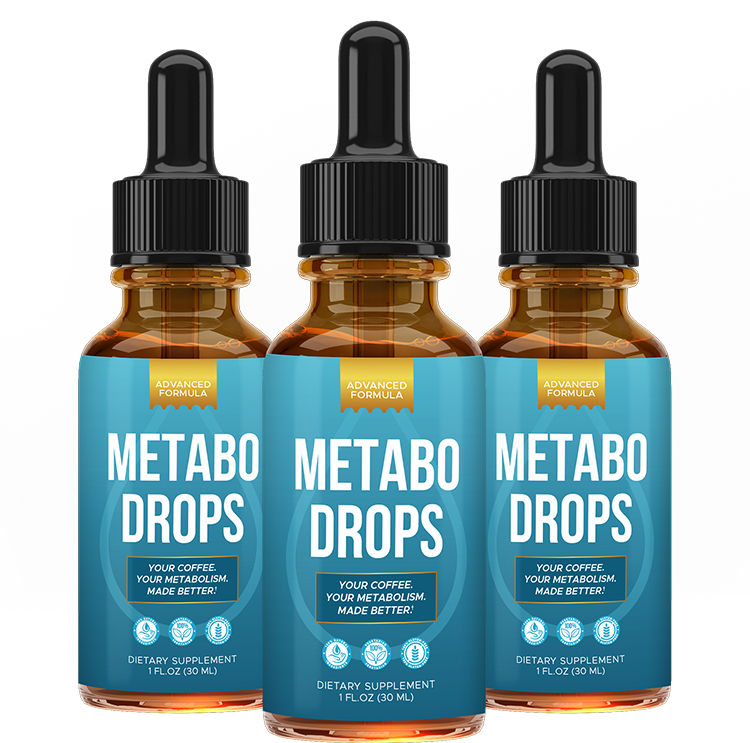
Metabo Drops
Metabo Drops adds chlorogenic acid, green-tea extract, chromium, L-carnitine and L-theanine to coffee in an easy-to-mix liquid. Its chromium and chlorogenic-acid combination targets everyday carbohydrate metabolism, while L-carnitine relates to cellular energy production. With exercise for weight loss, L-carnitine’s role in fatty-acid transport complements an active routine, while L-theanine supports steady alertness.
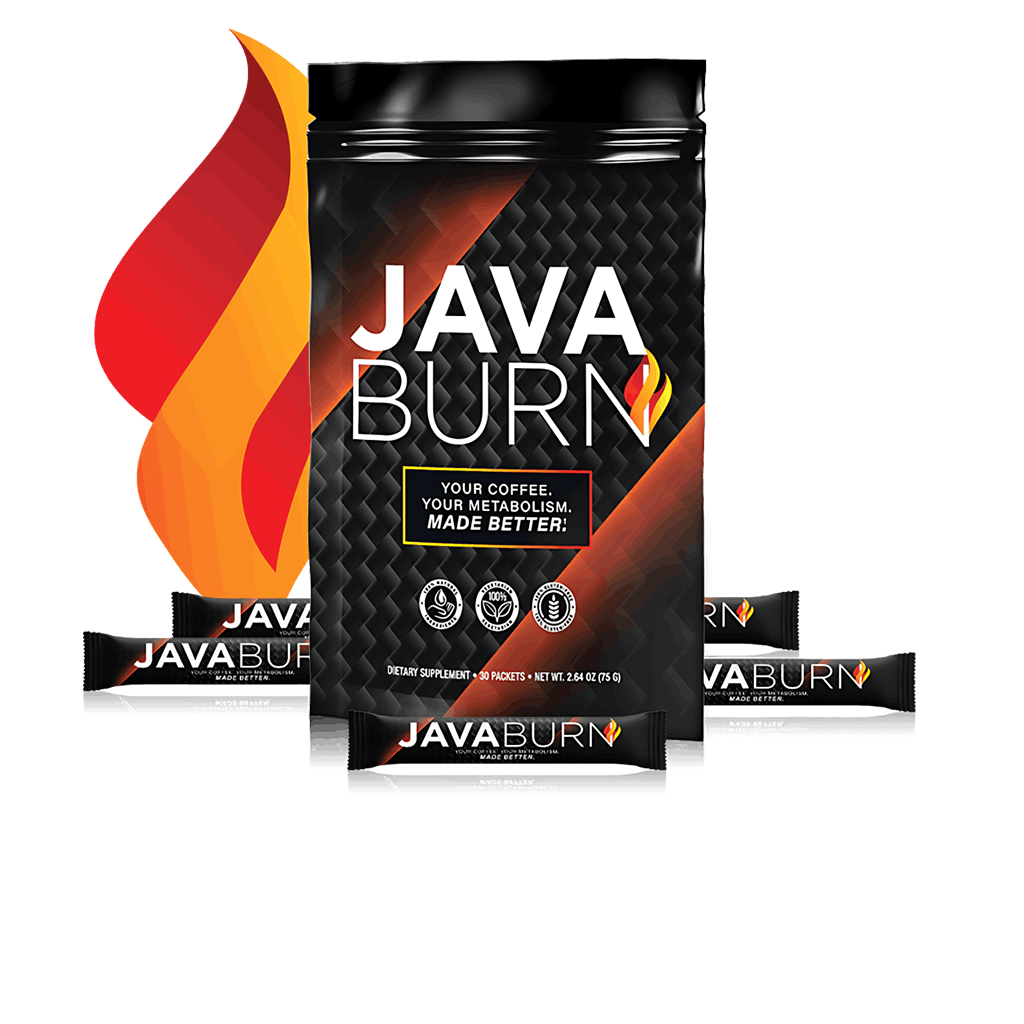
Java Burn
Java Burn combines green tea catechins and chlorogenic acids with chromium, L-carnitine and L-theanine in a single-serving coffee powder. Green-tea catechins and green-coffee chlorogenic acids are its plant extracts, with chromium supporting normal carbohydrate, fat and protein metabolism. With exercise for weight loss, L-carnitine’s role in fatty-acid transport complements an active routine, while L-theanine supports steady alertness.
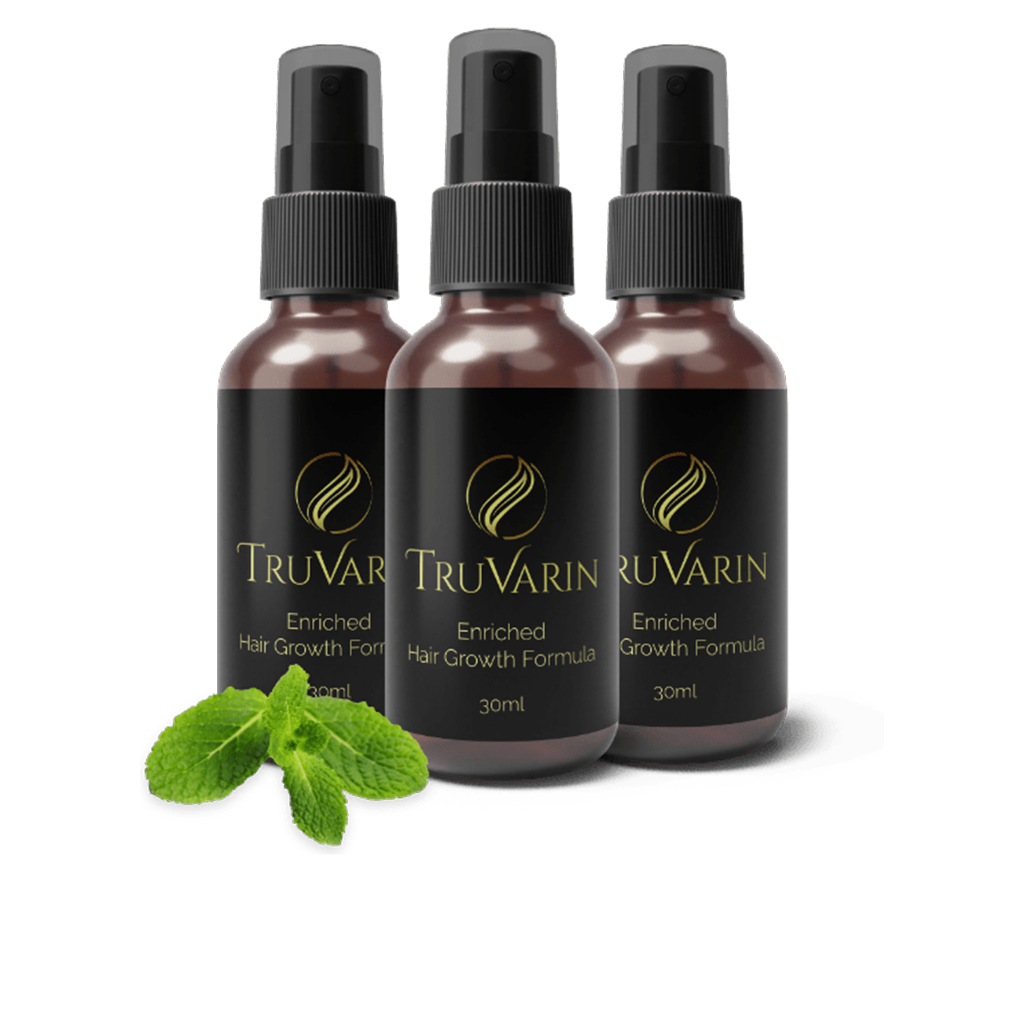
TruVarin
TruVarin is a topical scalp treatment with varin-rich hemp oil, saw palmetto, peppermint, caffeine and green tea for hair and scalp care. The oil-based topical format targets scalp condition and the appearance of fuller-looking hair without making it a weight-loss treatment. For exercise for weight loss, the product’s nutrition and wellness role is separate from the adaptations built through training.

HepatoBurn
HepatoBurn brings silymarin, glutathione, berberine and choline into a multi-ingredient formula for liver-related metabolic and antioxidant support. Its liver-support ingredients work alongside green-tea polyphenols and chlorogenic acid in a formula aimed at normal fat processing. Alongside exercise for weight loss, the liver-support nutrients contribute to normal metabolic processing and antioxidant wellness.

AquaBurn
AquaBurn combines green-tea catechins, resveratrol, fucoxanthin from seaweed, quercetin, ginger, ginseng and turmeric. Fucoxanthin and green tea give AquaBurn a metabolism-focused botanical profile, complemented by ginger, ginseng and plant polyphenols. With exercise for weight loss, ginseng and plant polyphenols add a vitality and antioxidant angle to the daily routine.

Flat Belly Shake
The Flat Belly Shake drink offers a measured powder serving rather than capsules, making it an option for people organizing daily meal portions. Its measured drink format is useful for setting a consistent portion, especially when breakfast is routinely skipped or replaced with unplanned snacks. For exercise for weight loss, the product’s nutrition and wellness role is separate from the adaptations built through training.
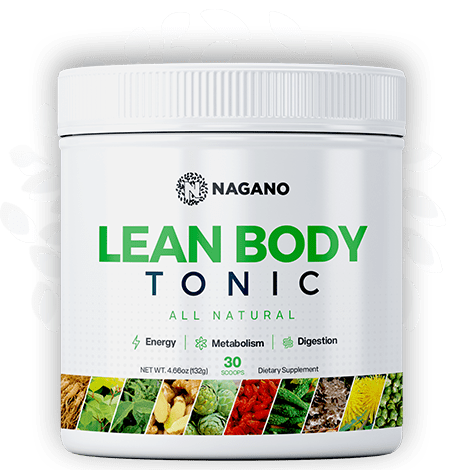
Nagano Tonic
Nagano Tonic is a powdered drink mix made with botanicals and nutrients including camu camu, green-tea EGCG, mangosteen, ginger and inulin. Its formula is promoted for daily metabolic, energy and digestive support; it is not a substitute for balanced nutrition or medical care. When comparing options alongside exercise for weight loss, review the ingredient label and seller terms before ordering.
A simple repeatable week
A useful week does not need seven different workouts. Repeat a small number of sessions long enough to learn the movements and see whether your body is adapting.
- Monday: 25-minute brisk walk and a five-minute mobility cooldown.
- Tuesday: full-body strength session using a squat or sit-to-stand, row, push, hip hinge, and loaded carry.
- Wednesday: 20 to 30 minutes of easy cycling, swimming, or walking.
- Thursday: rest or relaxed walking.
- Friday: repeat the strength session.
- Saturday: a longer comfortable cardio session.
- Sunday: rest and review the coming week.
How hard should strength sets feel?
Use a load that lets you complete controlled repetitions while leaving approximately two or three good repetitions in reserve. When every set feels easy and technique remains steady, add a small amount of resistance or one or two repetitions rather than changing the whole routine.
Measure progress without letting the scale run the plan
Daily weight can shift because of sodium, carbohydrate intake, digestion, menstrual cycles, and inflammation after unfamiliar exercise. Weigh under similar conditions and compare weekly averages if frequent weighing does not create anxiety.
Also track waist measurements, walking pace, strength performance, energy, and how clothing fits. If weight and measurements remain unchanged for three or four consistent weeks, adjust one variable: add modest activity, tighten portion awareness, or remove an easy-to-miss source of calories.
- Do not cut food and increase training aggressively at the same time.
- Expect strength, stamina, or waist changes to sometimes appear before scale movement.
- Recheck adherence before assuming your metabolism is broken.
- Use maintenance periods when diet fatigue, poor sleep, or declining performance becomes persistent.
Where weight-loss products fit—and where they do not
The selected commercial products differ mainly by format and product-specific ingredients: Metabo Drops is a coffee-added liquid, Flat Belly Shake is a water-mixed powder, HepatoBurn is described as a daily capsule, AquaBurn as a pill, and Ikaria Juice as a multi-ingredient blend. LivPure and HepatoBurn emphasize liver-related marketing, while Java Burn and Metabo Drops are positioned around coffee; TruVarin is the outlier because it is marketed for hair rather than weight loss.
Those distinctions can help screen for convenience, ingredient duplication, caffeine exposure, allergies, and unclear proprietary blends. They do not establish that any product produces meaningful fat loss, detoxifies the liver, or replaces a calorie deficit, training progression, sleep, or medical treatment.
- Request the complete Supplement Facts panel and serving size before buying.
- Check whether every ingredient amount is disclosed rather than hidden in a proprietary blend.
- Avoid stacking multiple products containing green tea, caffeine, or other overlapping ingredients.
- Discuss supplements with a pharmacist or clinician if you take medication, are pregnant, have liver or kidney disease, or are sensitive to stimulants.
Frequently Asked Questions
The best choice is the activity you can perform consistently and recover from. Running may burn more per minute than walking, but brisk walking can produce more useful weekly activity if running causes pain or exhaustion.
It is possible, but many people unconsciously eat more or move less after training. Combining exercise with a modest, sustainable dietary adjustment usually gives you more control over the energy deficit. A useful progress log includes both workload and recovery.
New training can temporarily increase stored carbohydrate, associated water, and inflammation from muscle repair. Look at a multiweek trend, available there has not been rapid unexplained swelling or another concerning symptom.